"No place is home. Home is not a place. In the end I think I’ll know I’ve arrived home when I feel it."
Reza Mirabi is a dancer and performer who has lived in many places, but never quite felt rooted in one.
At eighteen, he left Europe and moved to India – a place that, for the first time, offered him a sense of belonging. There, he discovered a new relationship with food, community, and himself. He spent eight years immersed in a culture where nourishment went beyond the plate, where food was also medicine, and where home felt like something he could almost touch.
Now living in Amsterdam, Reza continues to explore what it means to arrive. Though India still feels closest to home, he’s aware that the feeling he’s searching for isn’t tied to geography. It’s quieter than that. More internal. He’s slowly shaping a space for presence and waiting for the moment when that feeling of home might finally settle in.
Ioana: Where were you born?
Reza: I was born in Hannover, Germany, on May 22, 1988.
Ioana: And your parents?
Reza: My father is Turkish-Iranian and my mother is Polish-German.
After my parents separated, I moved around a lot, living in many different places and unstable situations. By the time I was sixteen, I decided to move out and live on my own. Two years later, when I was eighteen, I moved to India, where I stayed for eight years and found a deeper sense of belonging I guess.
Ioana: Did your mom teach you how to cook when you were young?
Reza: No, not really.
Ioana: Was there any tradition in your family regarding food?
Reza: My family was so disrupted by displacement that there wasn’t really any tradition, especially not around food. I grew up with a very poor food culture—a lot of microwave meals and fast food like McDonald’s.
Ioana: When did you first get a taste for the kind of food you love now?
Reza: Mainly when I moved to India. Living there, I learned about healthy food, cooking culture, how different vegetables complement or clash with each other. I lived on an organic farm and became vegan for eight years. It was a very formative time for me.
Ioana: Growing up, was there any food that gave you comfort?
Reza: I have strong memories of family gatherings when special Iranian dishes were made. I particularly loved dried lemons used in stews—biting into them and tasting that sour juice. It’s a small thing but it stayed with me.
Ioana: Do you still cook with dried lemons?
Reza: Very rarely. I’ve made a dish with them maybe twice in my life. I don’t feel deeply connected to Iranian culture; it doesn’t come naturally.
Ioana: Do you feel closer to Indian culture, then?
Reza: Yes. In India, there was more openness. People included me. I felt I could belong without needing to explain myself.
Ioana: Tell me more about India. How did it shape you?
Reza: Moving there at eighteen was key. It was the moment I could start defining myself outside of old family dynamics. In India, nobody cared where I was from or what my name was. It gave me space to just be.
The food culture there also left a deep impact on me. In India, food and medicine are the same – there’s no separation. Food is meant to nourish and heal.
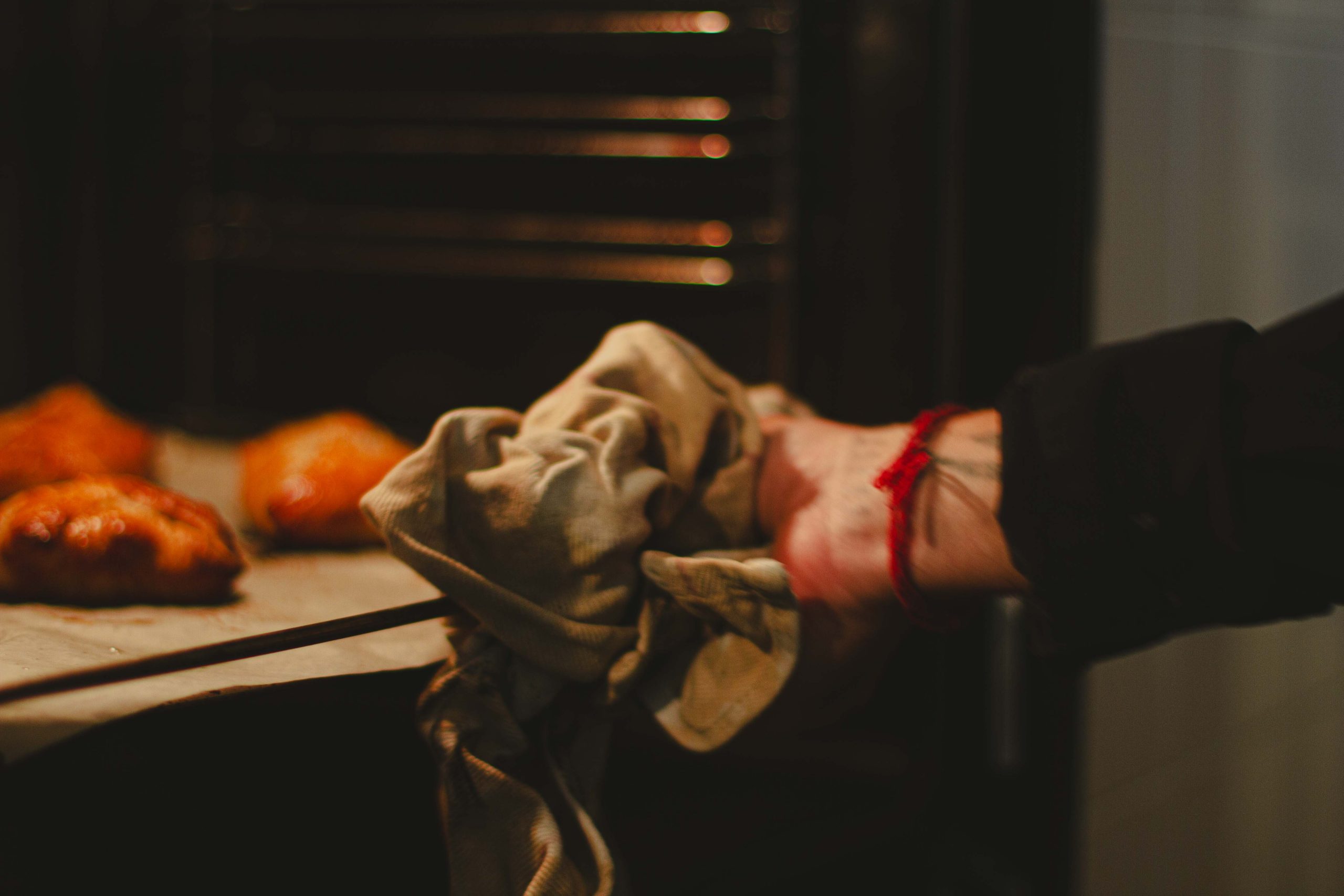
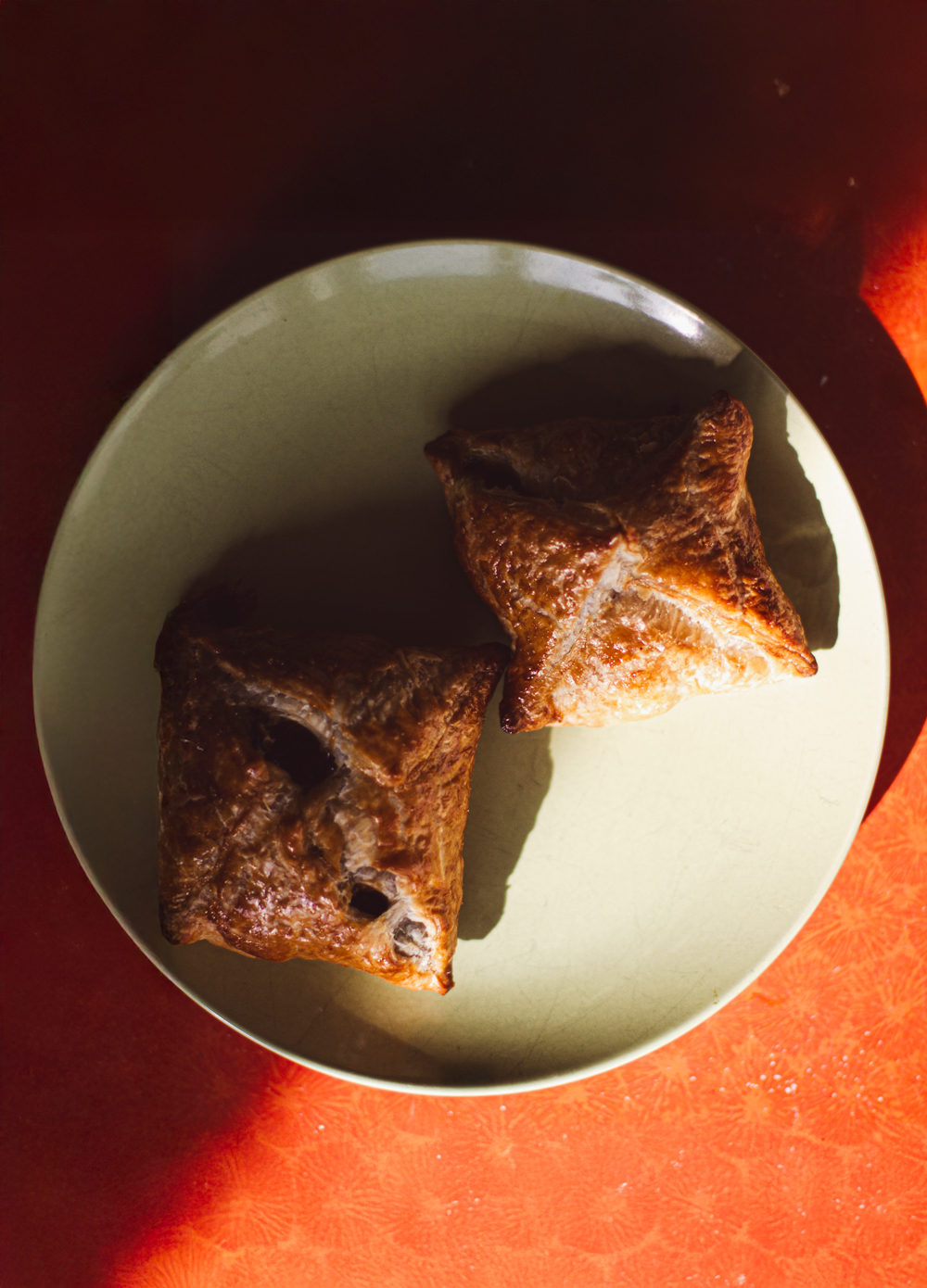
Ioana: What about these puffs you made today – where do they come from?
Reza: I’m not sure. They could be Indian, French… They’ve just always been around in my life. I used to eat them without thinking much about it. Only later did I start making them myself. It’s like they were hiding in plain sight all along.
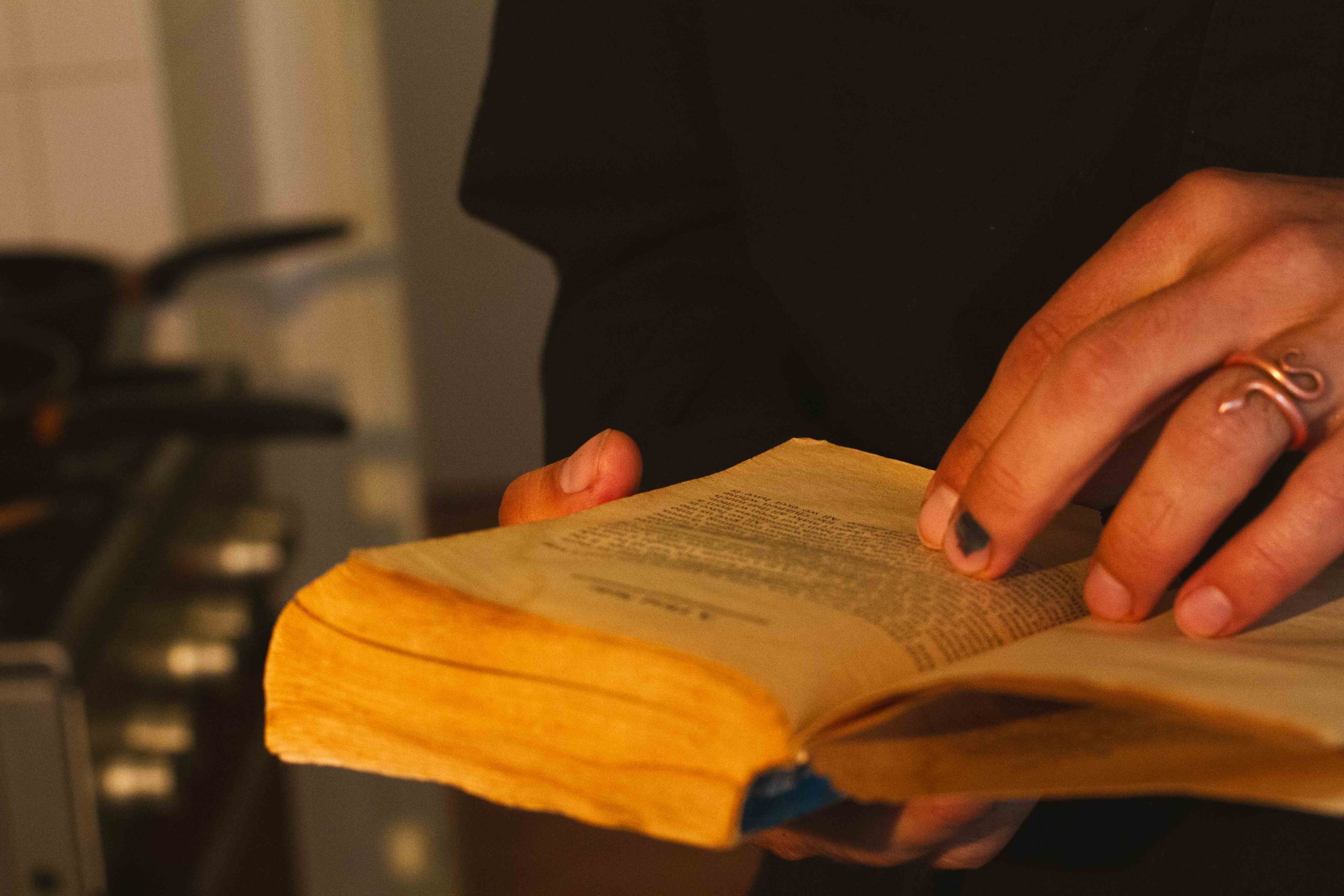
Ioana: Tell me about this book lying around your kitchen?
Reza: Yeah, it’s a novel by Ursula K. Le Guin. It’s about a fictional people living somewhere between the future, past, and possible realities. Their culture is described through songs, rituals, and journeys – always leaving but somehow always carrying home with them.
Ioana: That fits with what you were saying about home. How do you define home now?
Reza: I think home is the place we are always trying to arrive at. But maybe it’s more than that. I’d like to think of it differently: home is the place we arrive. In life, what I’m really doing is just trying to arrive. I’m just trying to be here, now. And that’s a constant process for me. I’m not moving toward a fixed idea of home – I’m just trying to arrive, wherever I am.
Ioana: Are you trying to create home? Or to find it?
Reza: I don’t know if I’m trying to create it. I think I’m just trying to arrive. Maybe we can call that home. But it’s not a fixed place. It’s just… here. Whatever here is, right now.
Ioana: Did you take what you felt in India with you, when you came back?
Reza: I learned that it doesn’t last. You need spaces that are consecrated. Spaces that hold a certain kind of energy – they uplift you, make you want to meditate, create, be. The energy feeds you. You can do a lot of things to feel good or to feel a sense of belonging, but eventually, if the space isn’t holding that energy, if the windows into the mystical have been smashed, you end up feeling unfulfilled. Then you try to fix that feeling – with a job, your phone, relationships, family. You try to recreate a sense of home.
Ioana: Did you manage to recreate that feeling after you left India ?
Reza: No. I don’t think I’ve ever experienced home. I can only feel echoes of it.
Ioana: Do you want to? Or is that enough for you?
Reza: That’s a good question. I do want to. I have the longing to find it, to seek it. But sometimes the longing isn’t strong enough. I get too comfortable and fall into narratives that say, “This is fine. Just enjoy it. This is home.”
Ioana: Is Amsterdam home?
Reza: No place is home. Home is not a place. Although I used to feel a little bit of a sense of home in my house.
Ioana: Because it reminds you of something?
Reza: Maybe of who I used to be. In the end I think I’ll know I’ve arrived home when I feel it.