The story behind Taste of Home began, as many stories do, with a feeling too big to ignore. It was homesickness, sharp and specific, the kind that settles in your chest when the air smells wrong and no one bakes the cake your mother used to make. So I started baking it myself, in a quiet Amsterdam kitchen, not to match her touch but to feel closer. It became an article for Foyer Magazine, and then it became something else entirely: a photographic search for memory, place, and comfort.
That winter, I went back to Romania. My mother baked the same cake she’s been making for 37 years. I watched her. I photographed her hands. Two kitchens, 2000 kilometers apart. Same cake, same longing – mine for her cooking, hers for my presence.
What follows is my article for Foyer Magazine, a personal essay that traces the shape of longing through flour, caramel, memory, and the quiet rituals we carry with us when we leave home.
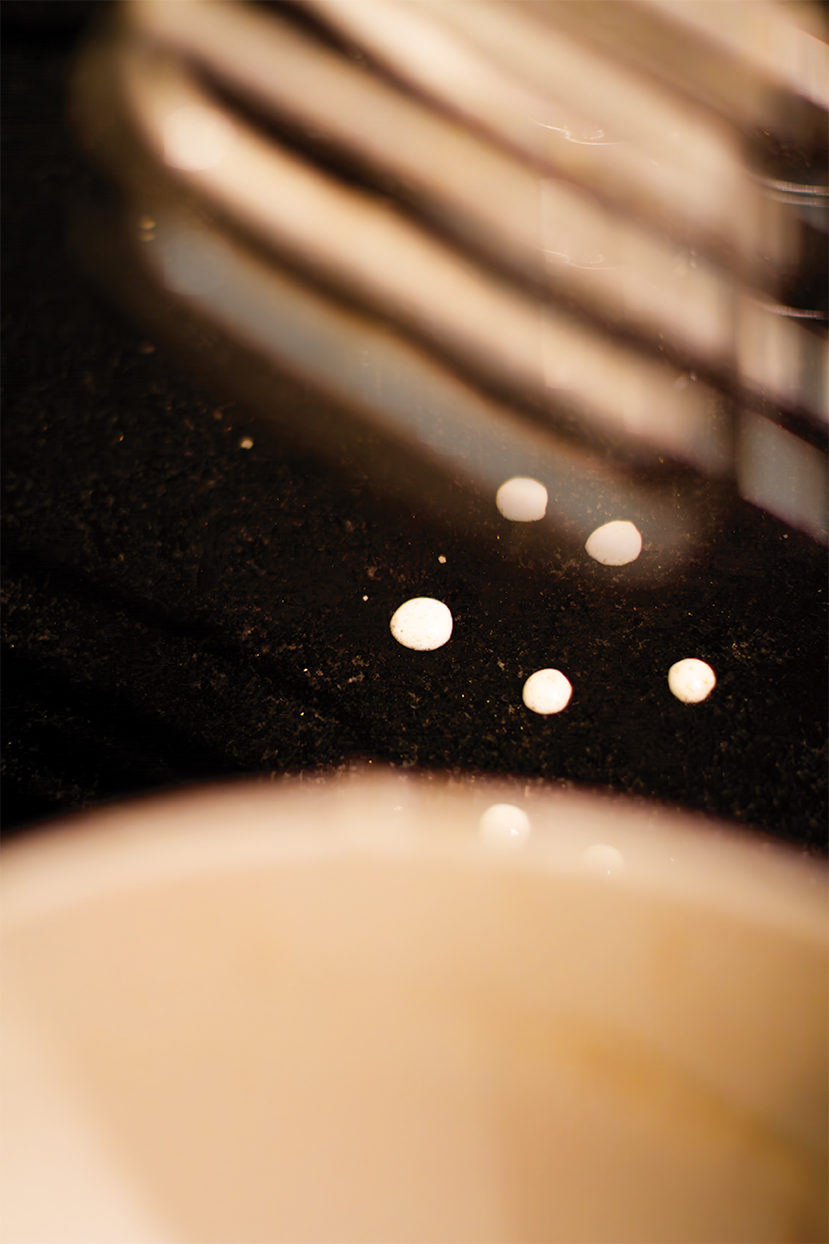
Dor (romanian word): nostalgia, longing, strong desire to meet again someone dear.
Dor is an essential concept in the Romanian spirit, one of those words that holds a profound and unique meaning. Each use of the word has a common feeling of attachment, even passion, towards something or someone. Dor evokes feelings of an unseen self-consciousness, as though one were experiencing a sacred event.
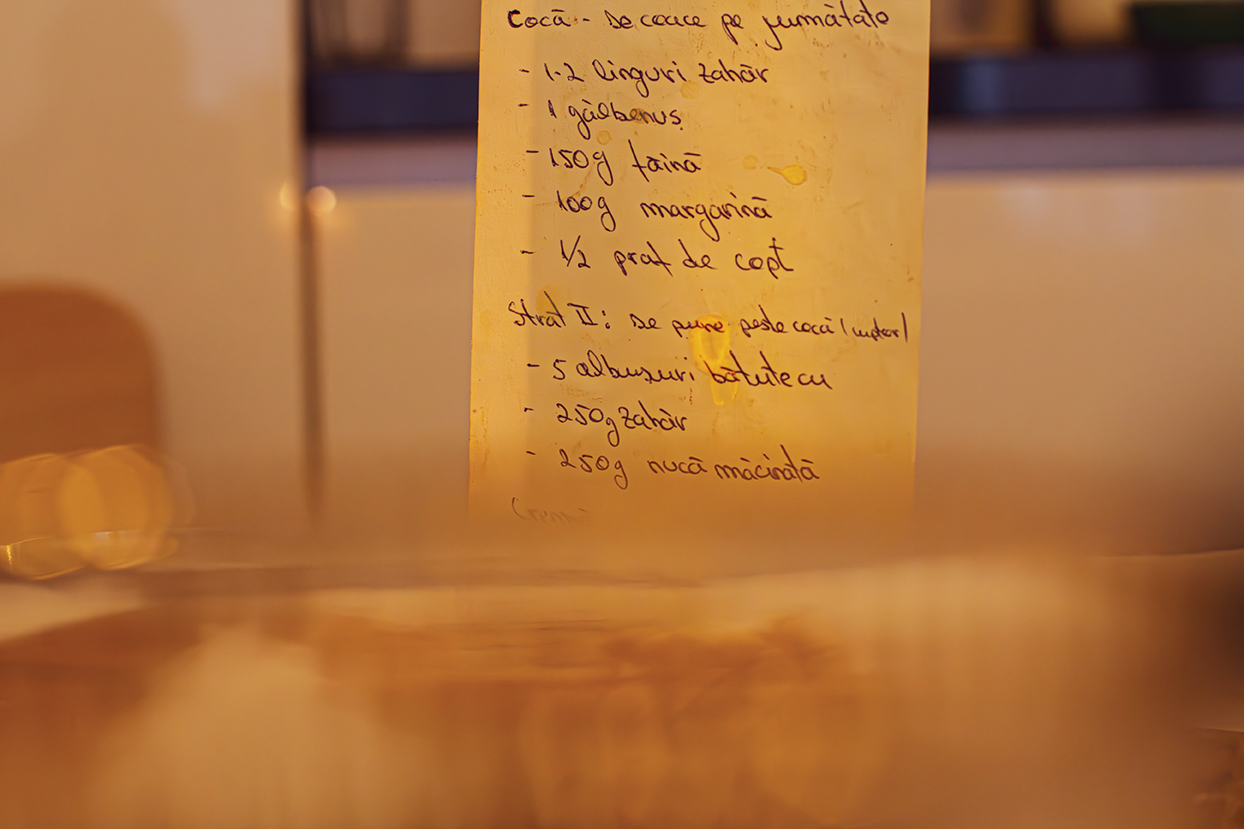
Diary Entry:
Day 621 in Amsterdam:
After the enthusiasm of a new place fades, after you’ve taken it all in, gotten used to the bad weather, and settled into your new life… something new begins to happen. It’s a familiar feeling but somehow different: a combination of nostalgia, sprinkled with something sweet and bitter.
You slowly realise it’s the part of you that misses home. It feels like the first time you tasted fir syrup. You were four years old, and your grandfather had made his first batch: fresh, with a distinct note of resin and wood. Your cheeks tingled from its sweetness. It took a while to get used to the taste—a love-hate kind of situation.
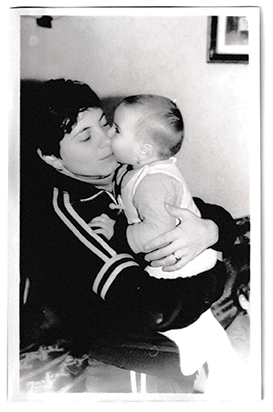
As a first-generation expat, a first-time mover, I spend my days navigating the busy streets of Amsterdam with a quiet ache in my chest, the kind that never really leaves. I think about food from home a lot – the way it used to taste, the warmth of my grandmother’s kitchen, the way we’d all sit around the table, laughing at my uncle’s stories like they were brand new. I miss the smell of my mom’s cakes cooling on the counter, the sweetness of it all, the way it felt like home.
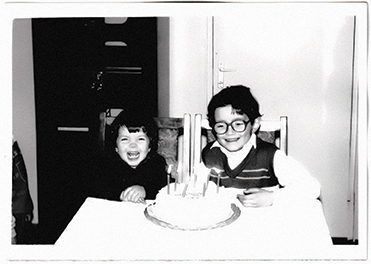
Coffee cake! that’s the one. You can almost taste it now. She baked it every year for your birthday, and the best part wasn’t even the cake itself. It was the coffee caramel, still warm, and that she’d let you lick it straight off the spoon. And now here you are, in a new country, 2000 km from home – Romania – without the faintest idea how to bake. But you try. Out of a quiet need for comfort, you teach yourself, and soon baking becomes your refuge, a way to pull pieces of your childhood into the unfamiliar, to make something that feels like home.
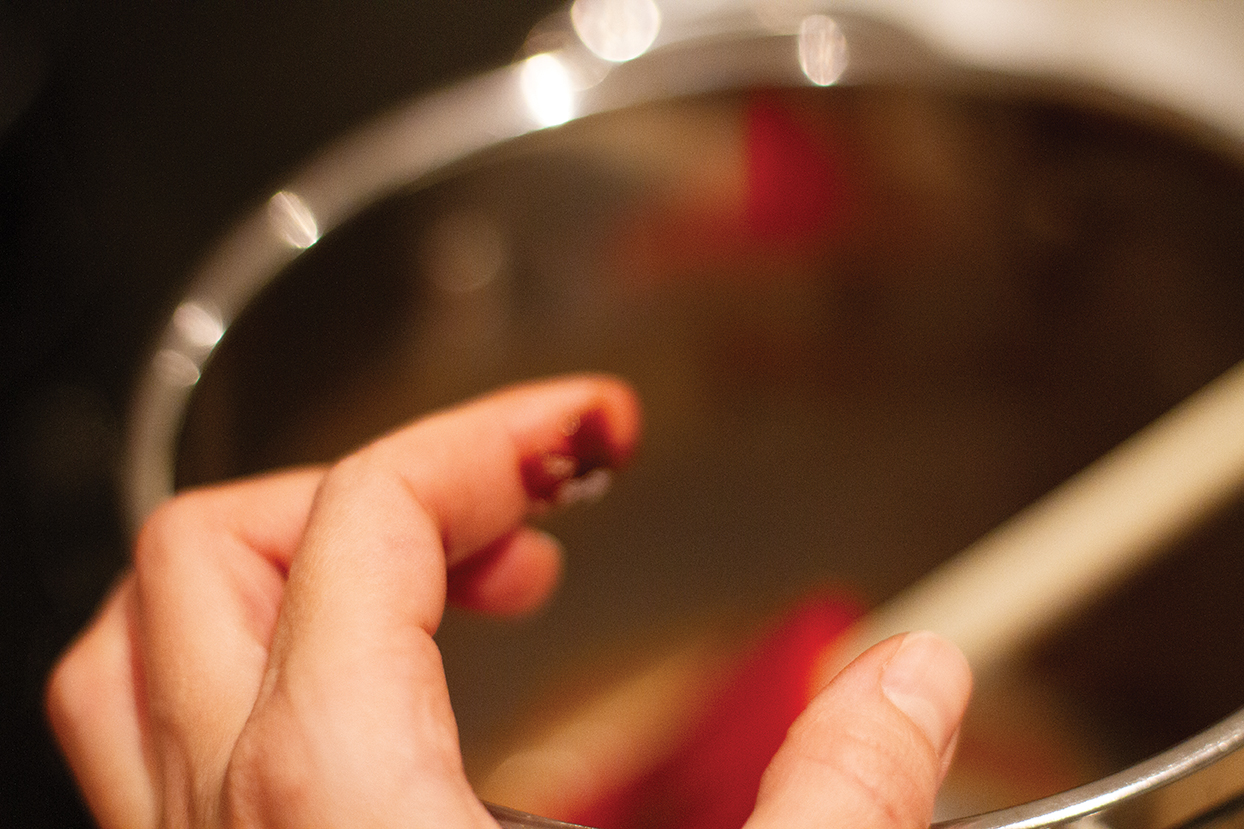
Through my cakes, I’ve come to understand that what I’m really trying to capture is longing – a strange, distant word. This bittersweet ache for something familiar in a place that still feels foreign.
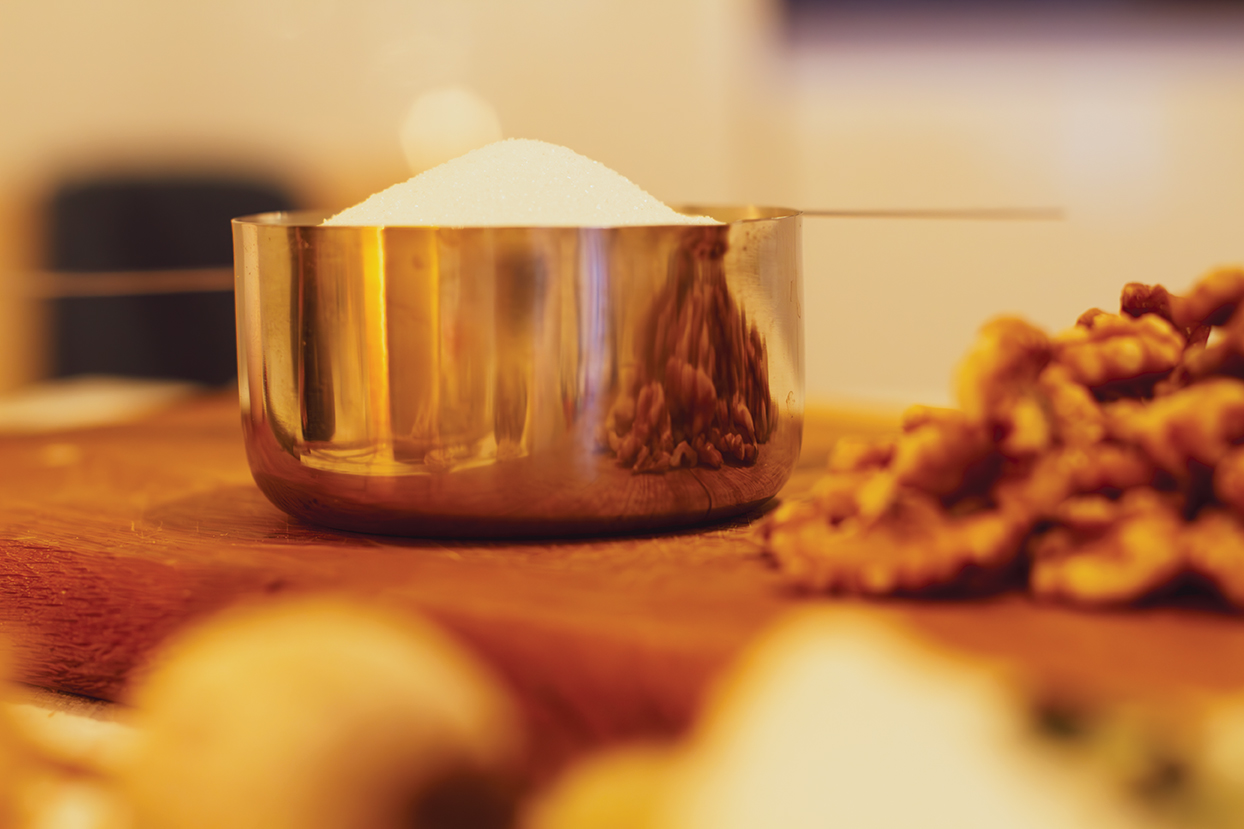
It’s a challenge to find the right ingredients for your cakes in this noisy, chaotic city. Without meaning to, you end up wandering through the markets scattered across Amsterdam, searching for… a trace of home.
“Mi-e dor de casă” (“I miss home”) – you catch yourself saying it out loud more often than you’d expect.
What began as a small, personal practice gradually evolved into a deeper exploration of this multicultural city. You began taking photos, documenting the search for ingredients in the markets and local shops, and capturing the process of baking your mom’s cake. It became almost a spiritual ritual.
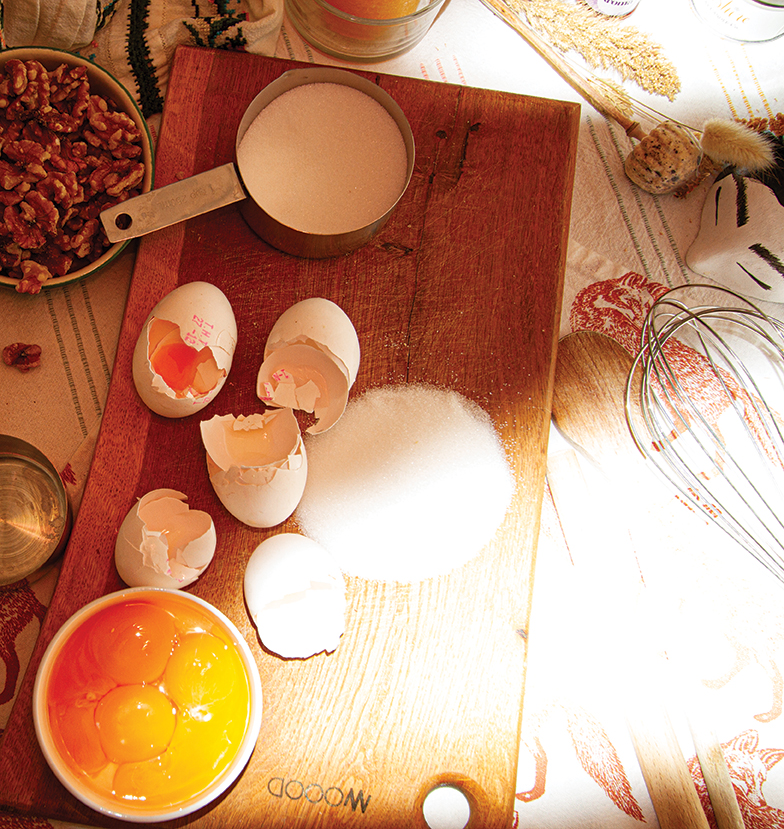
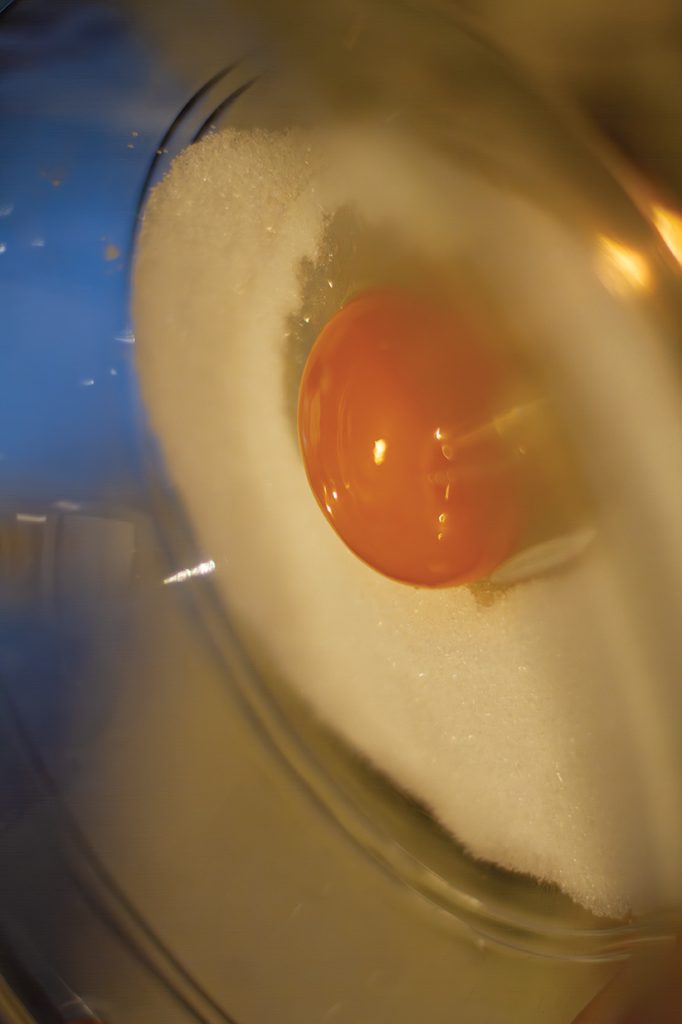
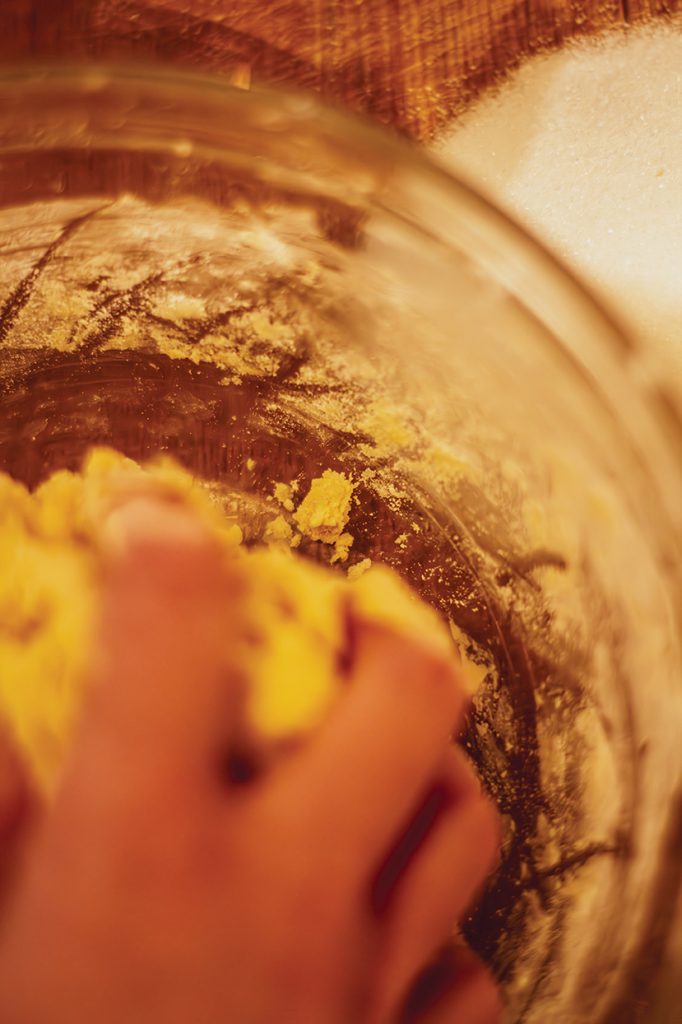
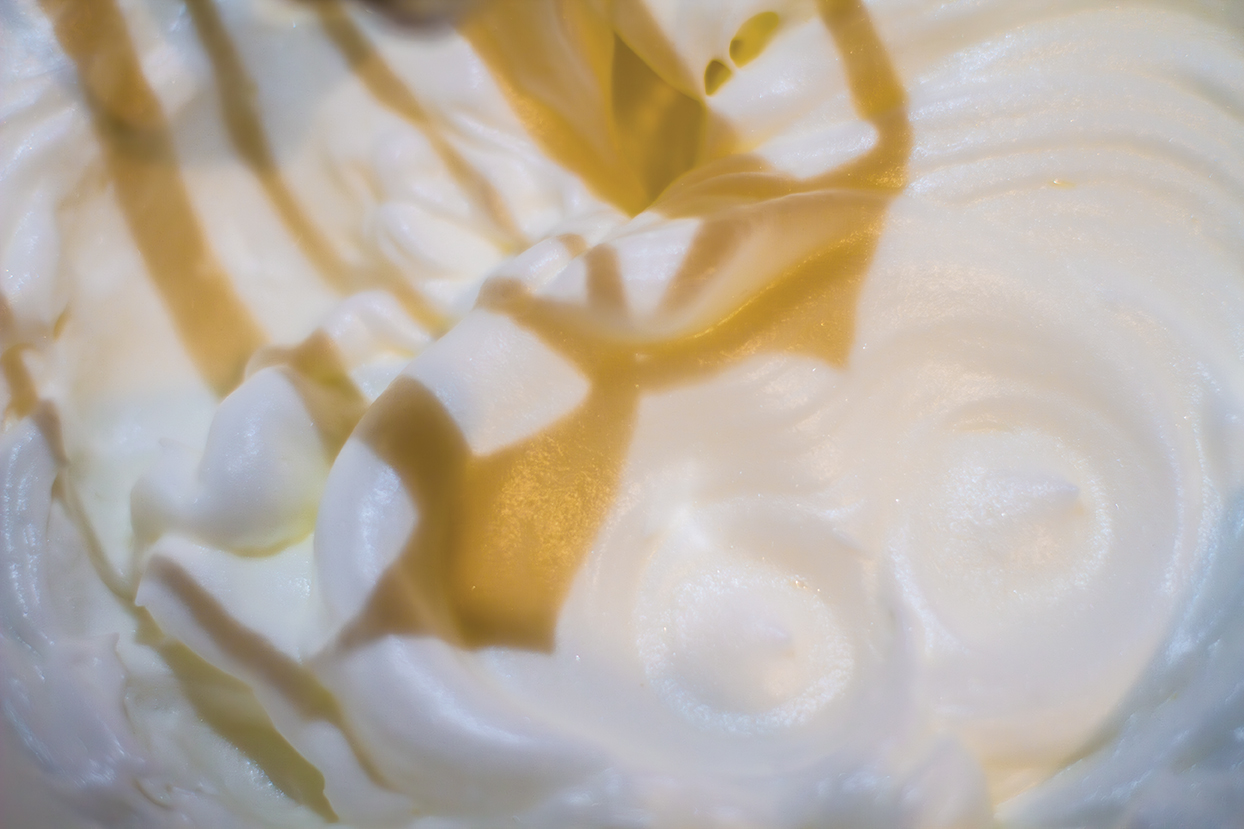
This new journey sparked your curiosity about how other expats navigate their own sense of “home” and how the meaning of this word changes over time. You started to notice how the phrase “I miss” blends with nostalgia and longing, creating something both complex and universal.
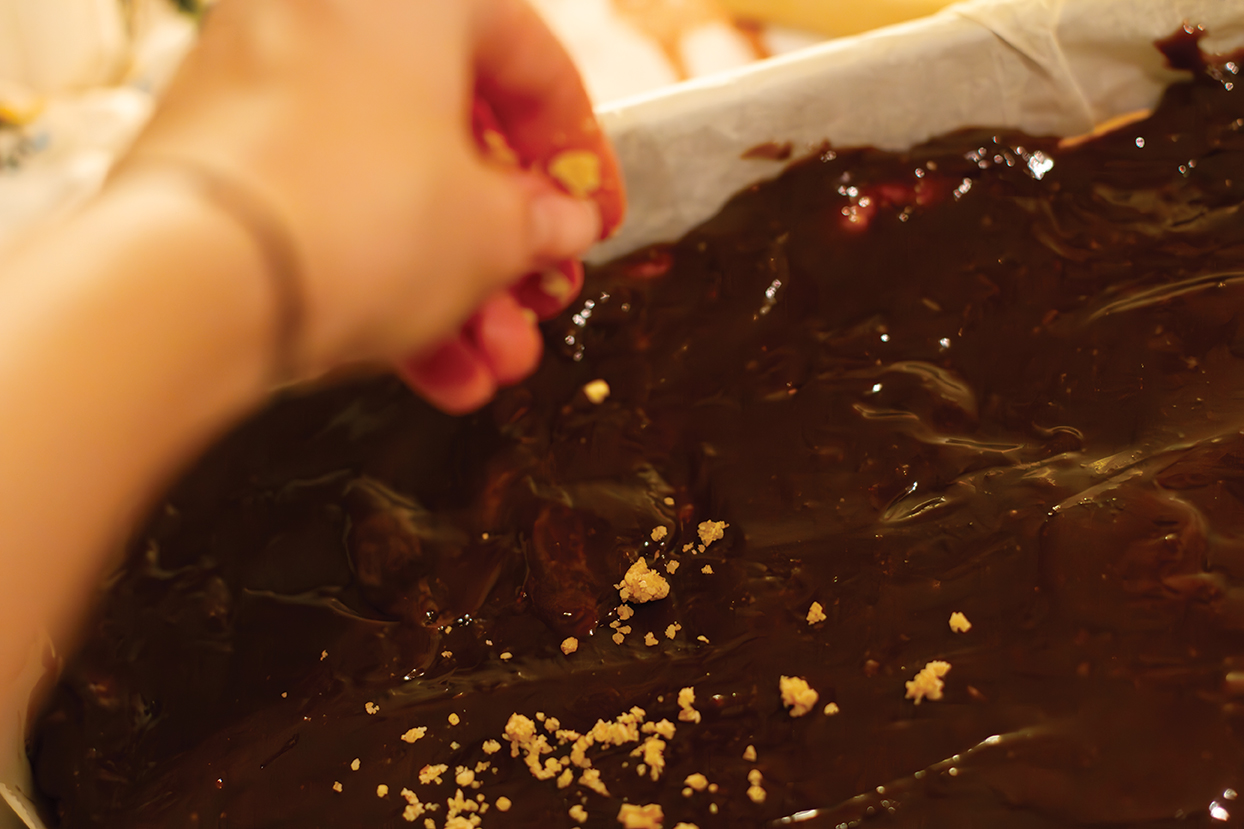
I realised that what I missed – what, for me, tasted like “home” – had a different meaning for everyone else, sometimes difficult to grasp. In the absence of “home,” what memory do we recreate through taste?
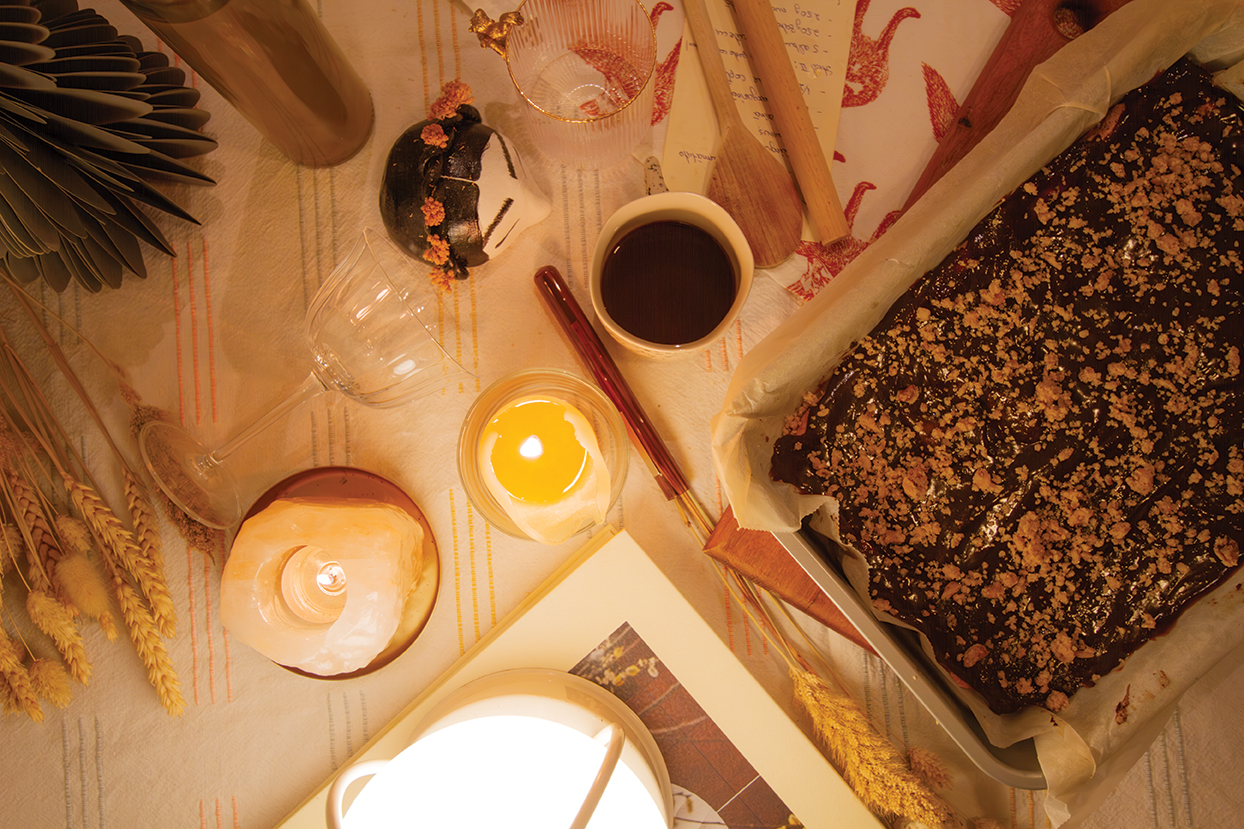
It reminded you of something you’d read, about how Proust’s madeleine, dipped in tea, could bring forth long-lost memories of childhood. The taste of your cake did something similar, evoking a flood of associations, memories connected to earlier years that felt both distant and present all at once.
What do you eat when you are homesick?
My mom’s cake.
What dish brings back childhood memories?
Bird’s milk dessert.
And when you think of missing home, what word comes to mind?
Dor.
It’s the same ache, the same pull, only now it’s attached to the sights and smells of a place that is no longer quite yours, yet never quite absent.